
Sugar Cravings?
Feb 25, 2026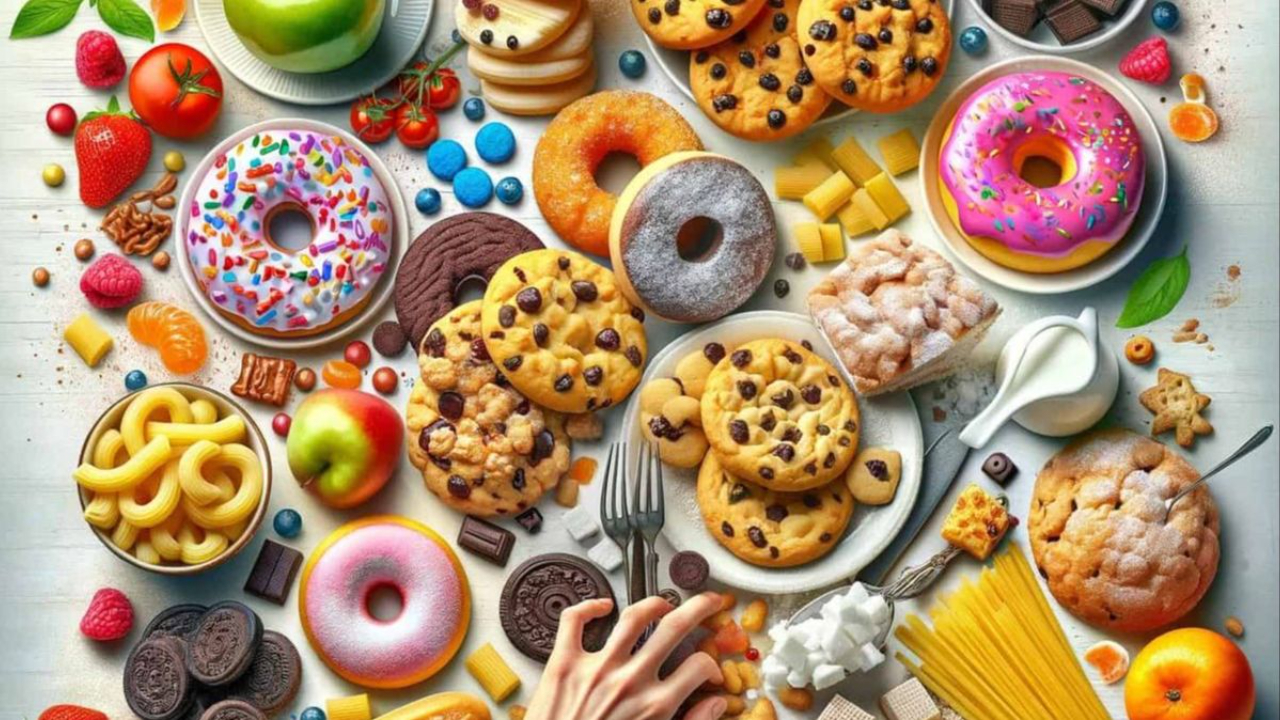
Cravings that feel uncontrollable.
A belly that swells as the day goes on.
Gas, heaviness, burning, fullness that lingers for hours.
Hunger showing up even when a full meal was just eaten.
These are not failures of willpower.
They are not “slow metabolism.”
They are not the body working against itself.
They are signs of something quietly living where it shouldn’t.
Inside the digestive tract, certain bacteria and yeasts can migrate upward, settle in the small intestine, and begin running the show. When this happens, digestion shifts from nourishment to negotiation — because the body is no longer the only one eating.
This pattern is commonly known as bacterial overgrowth in the small intestine. And it explains far more than most people realize.
When the Digestive System Becomes a Feeding Ground
The stomach is designed to be highly acidic — a natural defense system that breaks down food and destroys incoming microbes.
But when digestive strength drops (from stress, medications, rushed eating, poor sleep, or years of inflammation), that acid barrier weakens.
And when that barrier weakens, bacteria survive the journey.
Once they reach the small intestine — warm, dark, and constantly supplied with food — they thrive.
They multiply.
They ferment meals.
They produce gas as waste.
They inflame the gut lining.
And slowly, the digestive tract becomes less of a nutrient-absorbing system and more of a bacterial buffet.
Why the Body Feels Bloated, Tired, and Still Hungry
These microbes do two major things:
1. They eat first.
Before nutrients reach the bloodstream, bacteria consume a portion of every meal. The result is a body that is technically eating — yet functionally undernourished.
Low energy follows.
Persistent hunger follows.
Cravings intensify.
2. They release gas constantly.
As food ferments, pressure builds in the abdomen — often showing up as lower belly bloating, tightness around the waist, or a stomach that looks several months pregnant by evening.
When bacterial levels drop, that gas production stops — and many people see inches disappear from the midsection almost overnight.
Not fat loss.
Not detox water weight.
Simply the removal of internal fermentation.
Why Sugar Cravings Feel So Loud
Here’s the part most people never learn:
Bacteria communicate with the brain.
Just like human cells send hunger and stress signals through the nervous system, microbes do the same. And the foods they prefer are simple carbohydrates — sugar, bread, starches, processed snacks.
When those foods disappear, the microbes panic.
And that panic translates into intense cravings.
Not mild desire.
Urgent pull.
“I need something sweet right now” sensations.
This is why cutting sugar suddenly often leads to stronger cravings than before. The bacteria are fighting for survival.
It’s also why so many diets collapse within days — not because of lack of discipline, but because the gut microbiome is still running the appetite.
The Hidden Effects Beyond the Belly
Over time, these microbes don’t just cause bloating.
They damage the gut lining, increasing permeability — allowing toxins, bacteria, and inflammatory compounds to leak into circulation.
From there, ripple effects begin:
* Hormone disruption
* Cortisol elevation
* Energy crashes
* Mood shifts
* Poor sleep quality
* Slower muscle building
* Increased fat storage
The gut becomes the root of exhaustion, cravings, inflammation, and metabolic resistance.
Why Digestion Support Matters
Gas, reflux, heaviness, burning, and bloating are not random inconveniences. They are signals that digestion is struggling and fermentation is occurring where it shouldn’t.
Supporting digestion — especially with enzymes that help break food down efficiently — reduces the fuel supply these microbes rely on and eases pressure in the gut.
Strong digestion is one of the body’s most powerful antibacterial tools.
The Big Takeaway
Cravings are not weakness.
Bloating is not just food sensitivity.
Constant hunger is not lack of control.
In many cases, it’s biology being hijacked by microbes that learned how to survive too well.
When the gut heals, cravings calm.
When digestion strengthens, bloating fades.
When bacteria balance restores, energy returns.
Fat loss becomes easier.
Mood stabilizes.
Sleep deepens.
Food finally nourishes instead of inflames.
The gut isn’t just about digestion.
It’s about metabolism, hormones, immunity, and the quiet signals that shape daily choices.
Heal the gut — and the body stops fighting itself.
Stay connected with news and updates!
Join our mailing list to receive the latest news and updates from our team.
Don't worry, your information will not be shared.